
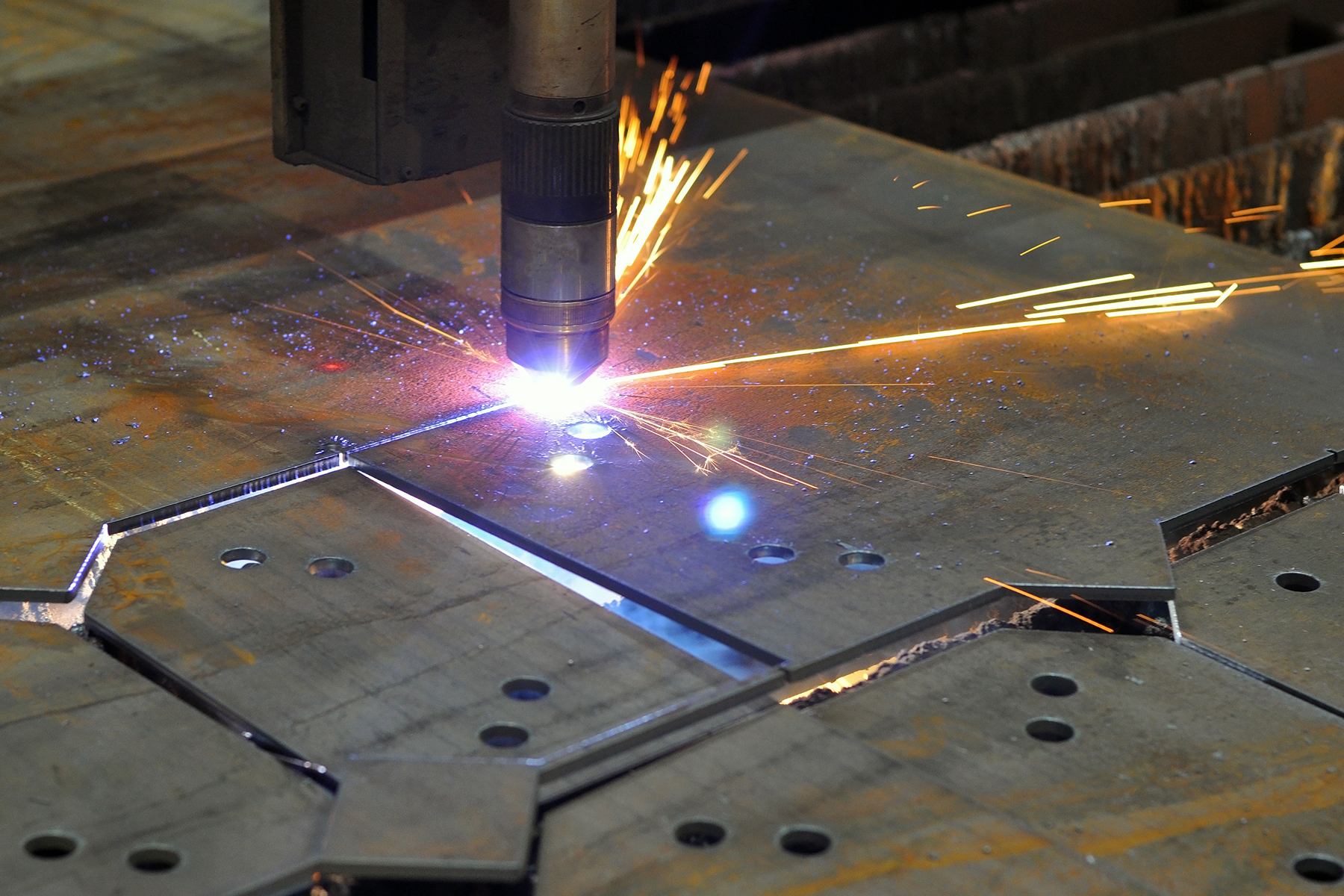
A Clear Guide to Precision Manufacturing
Have you ever wondered, “how does laser cutting work?” We’ve all had that thought. Laser cutting might feel like something pulled from a sci-fi workshop, but in modern manufacturing, it’s one of the most reliable and precise tools available. At its core, laser cutting is exactly what it sounds like: using a highly focused beam of light to cut through material. But the way it happens is a mix of physics, engineering, and serious control systems.
How Does Laser Cutting Work? The Basics
A laser (Light Amplification by Stimulated Emission of Radiation) generates an intense, concentrated beam of light. This beam is:
- Extremely narrow
- Highly focused
- Powerful enough to melt or vaporize material
When directed at a surface, the laser heats the material to the point where it either melts, burns, or vaporizes, creating a clean cut.
The Key Components of a Laser Cutting System
A typical industrial laser cutting setup includes:
1. Laser Source
Generates the beam. Common types:
- Fiber lasers (most common today, especially for metals)
2. Beam Delivery System
Mirrors or fiber optics guide the beam to the cutting head.
3. Cutting Head & Lens
Focuses the beam into a precise point of energy (often smaller than a grain of sand).
4. CNC Control System
Controls movement with extreme accuracy based on digital design files (CAD).
5. Assist Gas
Gases like oxygen or nitrogen are blown through the cut to:
- Remove molten material
- Improve edge quality
- Prevent oxidation
The Cutting Process Step-by-Step
- A digital design file is loaded into the machine
- The laser beam is generated and focused
- The CNC system moves the beam across the material
- The material melts or vaporizes along the path
- Assist gas clears debris and refines the edge
The result: a clean, precise cut with minimal waste.
Why It’s So Precise
Laser cutting stands out because of:
- Tight tolerances
- Minimal heat-affected zones
- No physical contact with the material
This means less distortion, cleaner edges, and repeatable results across large production runs.
Materials That Can Be Laser Cut
Laser cutting is commonly used for:
- Steel (mild and stainless)
- Aluminum
- Brass and copper
Fiber lasers dominate metal cutting, making them the backbone of modern fabrication shops.
Where It’s Used
Laser cutting plays a role in industries like:
- Automotive
- Aerospace
- Construction equipment
- Electronics
- Custom fabrication
- Defense
Anywhere precision meets production, laser cutting is likely involved.
Final Thoughts
Laser cutting transforms digital designs into physical parts with remarkable speed and accuracy. It’s not just a cutting method, it’s a cornerstone of modern manufacturing efficiency.
At TechWeld, we use advanced laser cutting systems to deliver consistent, high-quality results across every project, from prototypes to full-scale production. Connect with us today for a free quote on your project!